National
QUICK LINKS
Pro Tour Menu
Pro Tour Sponsors


SKUSA Partners


SEARCH
Next SKUSA Pro Tour Event
|
|
|


How SmartyMe Stands Out from Other Microlearning Platforms
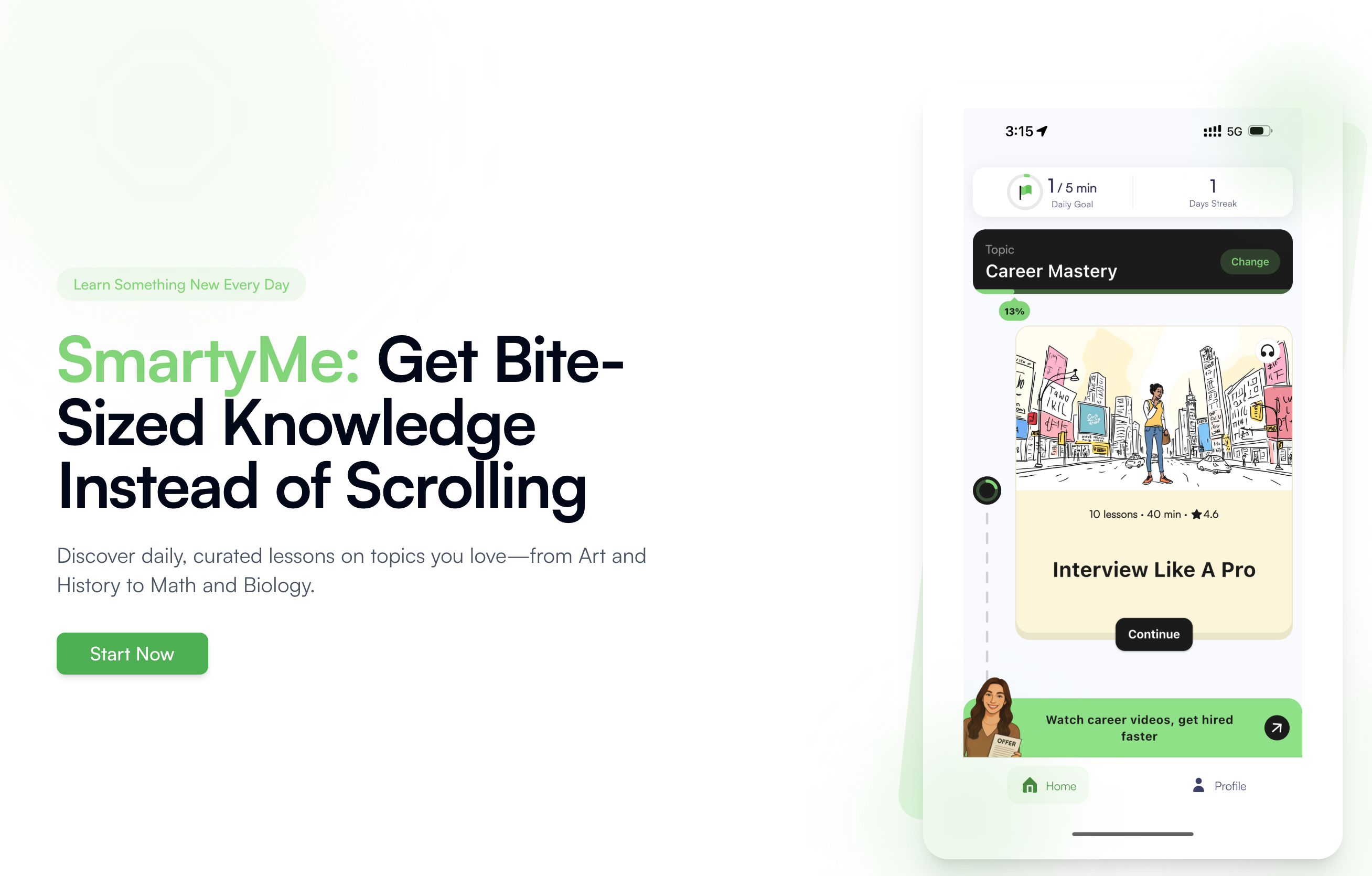
Open the App Store category for daily learning apps and you'll see dozens of options that look almost identical from the outside. Short lessons. Personalized recommendations. Streaks. Audio mode. The descriptions blur together, and choosing one starts to feel like guessing. Once you actually use a few of these apps for a week or two, the differences become clearer - and they usually have less to do with feature lists and more to do with how the app fits into a real day. Looking at the broader category of microlearning platforms, SmartyMe takes a fairly specific approach that's worth understanding before signing up.
A Different Idea of What "Daily" MeansThe word "daily" gets used loosely across the category. Sometimes it means a 30-minute commitment every day, sometimes a longer session a few times a week. SmartyMe takes the word more literally - lessons run around 15 minutes, which is short enough to actually fit into the gaps of a normal day rather than competing with everything else for time. This shapes how the rest of the app works. The interface doesn't try to maximize time spent in the app. There's no aggressive push to start a second lesson once you finish the first. Daily goals are set low enough that one short lesson is enough to keep a streak going, and the streak system isn't designed to make you feel guilty if you miss a day. The 20 topics across 203 courses and 1064 lessons (as of April 2026) are organized so you can switch subjects whenever you want, instead of being locked into a single curriculum until completion. What This Means in PracticeThe differences become concrete in how a typical user spends their first month with the app:
Not every user does all four. Some stick to one slot a day and ignore the rest. The app doesn't push for more - it's designed around the idea that consistency comes from keeping the habit small enough to survive a busy week, not from maximizing time spent each day. Topics Beyond Career and ProductivityMicrolearning platforms often focus narrowly on professional and career skills, which makes them feel like an extension of work rather than a break from it. SmartyMe's catalog leans broader: alongside communication and finance, there's history, art, biology, math, logic, and behavioral psychology. The variety means a session can feel like reading something for curiosity rather than checking off a career-development task. The official community on Reddit has a useful discussion thread about which topics work well for beginners and why: https://www.reddit.com/r/Smartymeapp/comments/1qwh0wv/best_topics_in_smartyme_right_now_and_what_you/. Reading actual user discussions before subscribing tends to give a clearer picture than any feature list. The recommendations there come from people who have spent real time with different topics rather than from anyone writing marketing copy. This breadth changes who the app appeals to. The user base of around 400,000 active users (April 2026) includes people learning during commutes, retirees picking up new interests, students supplementing school, and professionals who want some non-work topics in their reading rotation. With 1.5M downloads, the platform has reached enough scale to support a varied catalog without pulling everyone toward the same handful of trending topics. How to Tell If This Approach Fits YouChoosing between microlearning apps comes down to matching the app's approach to your own habits. Before subscribing to anything, a few questions are worth asking:
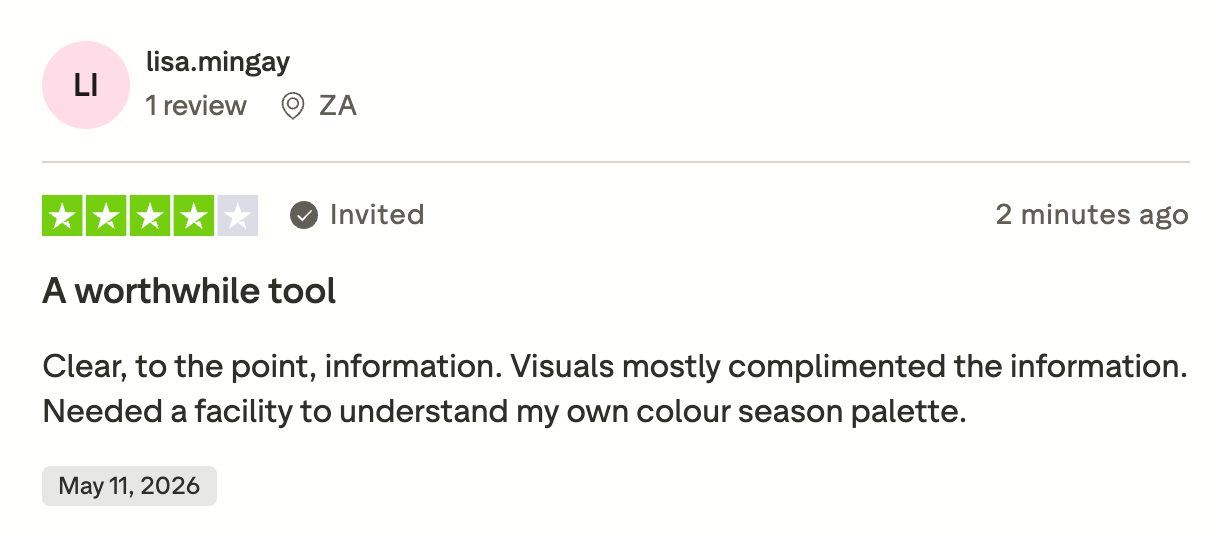
Honest answers to these usually point to whether SmartyMe's approach matches yours. The app holds a 4.6 rating in the US App Store and 4.1 on Trustpilot (April 2026), and the reviews on both platforms tend to confirm what it's good at: short, varied, daily lessons that don't try to be more than that. For someone whose ideal learning fits that description, the format works. For someone wanting structured certification programs or a single deep-dive subject, the app fits better as a complement to other resources than as a primary tool. The first week is usually enough to know which side you fall on. For anyone interested in honest user feedback, Trustpilot has plenty of reviews like this one.
|