National
QUICK LINKS
Pro Tour Menu
Pro Tour Sponsors


SKUSA Partners


SEARCH
Next SKUSA Pro Tour Event
|
|
|


Karting Gear That Survives a Full Season: The Numbers Behind Sprockets, Steel and Scrutineering
|
Ask anyone who has crewed the same kart through five club seasons what actually wears out, and the answer is never the engine. It is everything around it: the chain that stretched past adjustment by mid-season because the sprockets were soft, the axle that took a set after one bad kerb, the tools in the trailer whose chrome peeled in the second year, the watch on the mechanic's wrist that faded under brake cleaner and sweat before it ever lost a second. A race weekend is one of the most abrasive environments amateur hardware ever meets: grit blasted off the racing line, 60-degree brakeside heat, fuel and tyre prep on every surface, and hands washed thirty times a day. The difference between kit that ends the season and kit that ends mid-championship is a handful of numbers almost nobody checks at the counter. Hardness Is Measured, Not Guessed
The Mohs scale runs from 1 (talc) to 10 (diamond). Ordinary glass sits near 5.5, tempered glass reaches 6-7, and synthetic sapphire — the crystal in serious watchmaking and quality instrument faces — measures 9, scratched in daily life only by diamond. In the paddock this is immediate: timing watches, gauge faces and visor hardware fight the same track dust, and quartz at 7 Mohs is in every karting circuit's grit cloud. A mineral-glass watch face collects micro-scratches within a single season of paddock work; a sapphire one stays clear for a decade of them, because nothing common in a paddock scratches it. For metals the working figure is Vickers hardness (HV). Steel 316L — the surgical grade used in quality watch cases and marine fittings — runs about 200 HV with 16-18% chromium and 2-3% molybdenum, which is why it shrugs off a season of sweat, fuel spills and pressure-washing without pitting. Hardened axle steel sits far higher — 56-58 on the Rockwell C scale, roughly 600-650 HV — which is exactly why a proper axle springs back from a kerb strike and a cheap one takes a permanent bend. Plated hardware is the worst of both worlds: a micron-thin decorative layer over soft zinc that blisters within one season of brake-cleaner exposure, letting corrosion spread underneath. Comparison Table: What the Numbers Say
The pattern is universal: the durable option costs two to three times more at the counter and wins decisively across a full season of weekends. The hardened sprocket that costs twice a no-name one does not just last longer — it keeps its tooth profile, and a true tooth profile is what lets the chain reach mid-season without a second tension adjustment every meeting. The Checklist Before the Next Parts Order
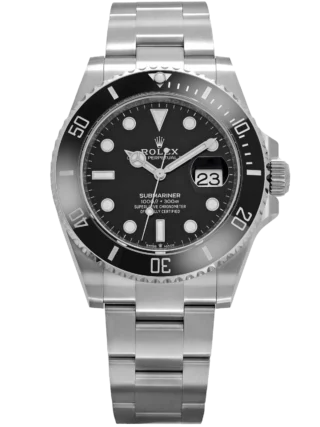
An instructive parallel comes from collectible watches, an industry that had to learn to publish specifications the way a good sanctioning body publishes its technical regulations. Collectors separate crude copies from high-grade rolex replica listings not by the logo but by documented numbers: certified 316L or 904L steel, sapphire rated 9 Mohs, weight matched to the original within a gram, stated on the listing the way scrutineering states ride height. Anyone who has watched plated tools blister through one season of pit life understands exactly what those figures are worth — the difference is never on the dial, it is in the documented materials. The same discipline shows on detail pages like the rolex gmt replica listings, where steel grade, glass hardness and weight are written down instead of implied. Corrosion and Seals: The Silent Budget KillersPaddock kit rarely dies of scratches; it dies of chemistry. Chloride in sweat, plus fuel, tyre prep and track cleaning agents, attacks any alloy under 10.5% chromium — which is why 316L, with its molybdenum, is also the metal of marine fittings. Seals follow the same logic: the o-rings on quality quick-release fittings and the gaskets in a timing-gauge case are rated for tens of thousands of cycles, while no-name versions harden within a season of pit-side heat and let grit into the works. A team that records the specification at purchase, the way a detailed replica rolex listing does, defends every dollar at replacement instead of guessing. Frequently Asked QuestionsIs a hardened sprocket really worth double?Yes, because it wears the chain at half the rate. Sprocket plus chain is a system; the cheap sprocket is the expensive half of it. Does watch glass grade matter in the paddock?More than anywhere. Track grit at 7 Mohs clouds a mineral face within one season; sapphire stays clear through a decade of the same weekends. How do I verify a "stainless steel" claim without a lab?Weigh the part against its declared spec, check that fittings are machined rather than pressed, and ask for the grade — 316L and 430 behave completely differently after one season of sweat and fuel. Does good material remove the need for maintenance?No — it makes maintenance effective. Correct materials with the usual routine end the season working; wrong materials cannot be saved by any routine. Buy Like a ScrutineerA scrutineer verifies every claim against the part, and the same habit applied to a parts budget pays a quiet dividend across seasons. Hardness rating, alloy grade, glass type, seal quality, weight — five numbers, written down at the counter. The difference between spending and investing starts exactly there: demanding specifications instead of impressions, and buying hardware that still passes tech inspection when the fifth club round becomes the fiftieth. |