National
QUICK LINKS
Pro Tour Menu
Pro Tour Sponsors


SKUSA Partners


SEARCH
Next SKUSA Pro Tour Event
|
|
|


Risk Psychology: Why We Bet Even When We Know Better
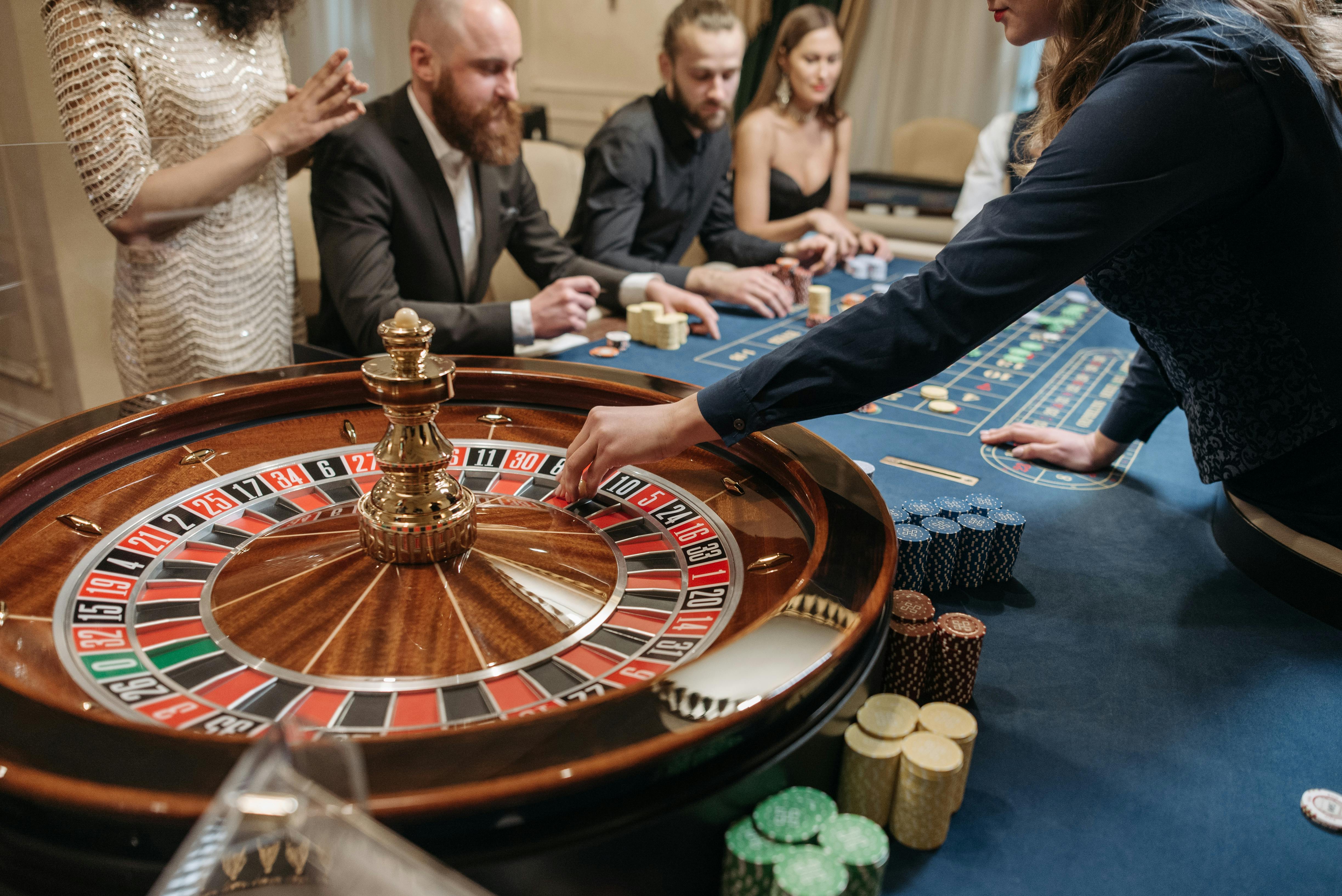
Ask a day trader and a casino player what they do in their spare time — and you'll likely get two completely different answers. Then ask them what they feel when a bet goes right, when the loss lands, when the next round beckons despite reason saying no — and the difference starts to dissolve. Psychology doesn't care about the label on the activity. It responds to the structure. Casinoer uden MitID, stock markets, and roulette wheels have more in common than their respective industries like to admit. At the core of all three lies a fundamental psychological process: a person chooses to expose themselves to an uncertain outcome in hope of gain. What distinguishes them is social acceptability, regulation, and the specific mechanisms by which hope is created and sustained.
Kahneman and Tversky. Why We Always Lose RationallyRisk psychology as an academic discipline flourished with the work of Daniel Kahneman and Amos Tversky in the 1970s and 80s — work for which Kahneman received the Nobel Prize in Economics in 2002. Their prospect theory describes how people actually value gains and losses. The findings are counterintuitive: loss aversion is stronger than the joy of winning. We are more motivated to avoid losing 100 kroner than to gain 100 kroner. And yet we keep betting. System 1 Beats System 2 — Every TimeThe paradox is partly resolved by what Kahneman calls System 1 thinking — the fast, intuitive, emotionally charged decisions that occur before the analytical brain can intervene. A well-designed slot machine, a rising stock chart, odds that seem too good to be true — these trigger System 1 directly. Rationalization comes afterward, not before.
The Stock Market and the Casino. Psychological TwinsThe stock market is a culturally legitimized form of risk. But the psychological mechanisms of a day trader and a casino player are strikingly similar. Both experience a dopamine rush on a win. Both rationalize losses. Both attribute winning periods to skill and losing periods to bad luck. The difference is socially constructed — not neurological. Variable Rewards: The Most Powerful ToolVariable reward schedules are the most powerful tool for creating and maintaining risk behavior. Slot machines, social media's infinite scroll, and loot boxes all share the same mechanism: the reward comes sometimes, and you never know when. This produces stronger conditioning than fixed rewards — this is proven behavioral psychology.
Regulation as Psychological ProtectionRegulating casinos is partly about protecting people from the exploitation of these mechanisms. Mandatory pauses, loss limits, and self-exclusion options introduce friction into a system otherwise designed to eliminate all friction. Understanding risk psychology means giving individuals better tools — and regulators better grounds to distinguish between entertainment and manipulation. The line is not always clear. But it exists, and it matters. The Role of Environment and DesignOne aspect often overlooked in discussions of risk psychology is the deliberate role of environmental design. Casinos are not accidentally pleasant — they are engineered spaces. Lighting, sound design, the absence of clocks, the layout of machines: all of these are calculated choices that slow down time perception and reduce the salience of money. Digital gambling platforms apply the same logic through interface design: frictionless deposits, celebratory animations on wins, and personalized prompts that arrive precisely when engagement drops. Understanding that the environment itself is an active participant — not a neutral backdrop — is essential for anyone seeking to understand why rational people make irrational choices under these conditions. The architecture of temptation is as important as the psychology of the individual exposed to it. |